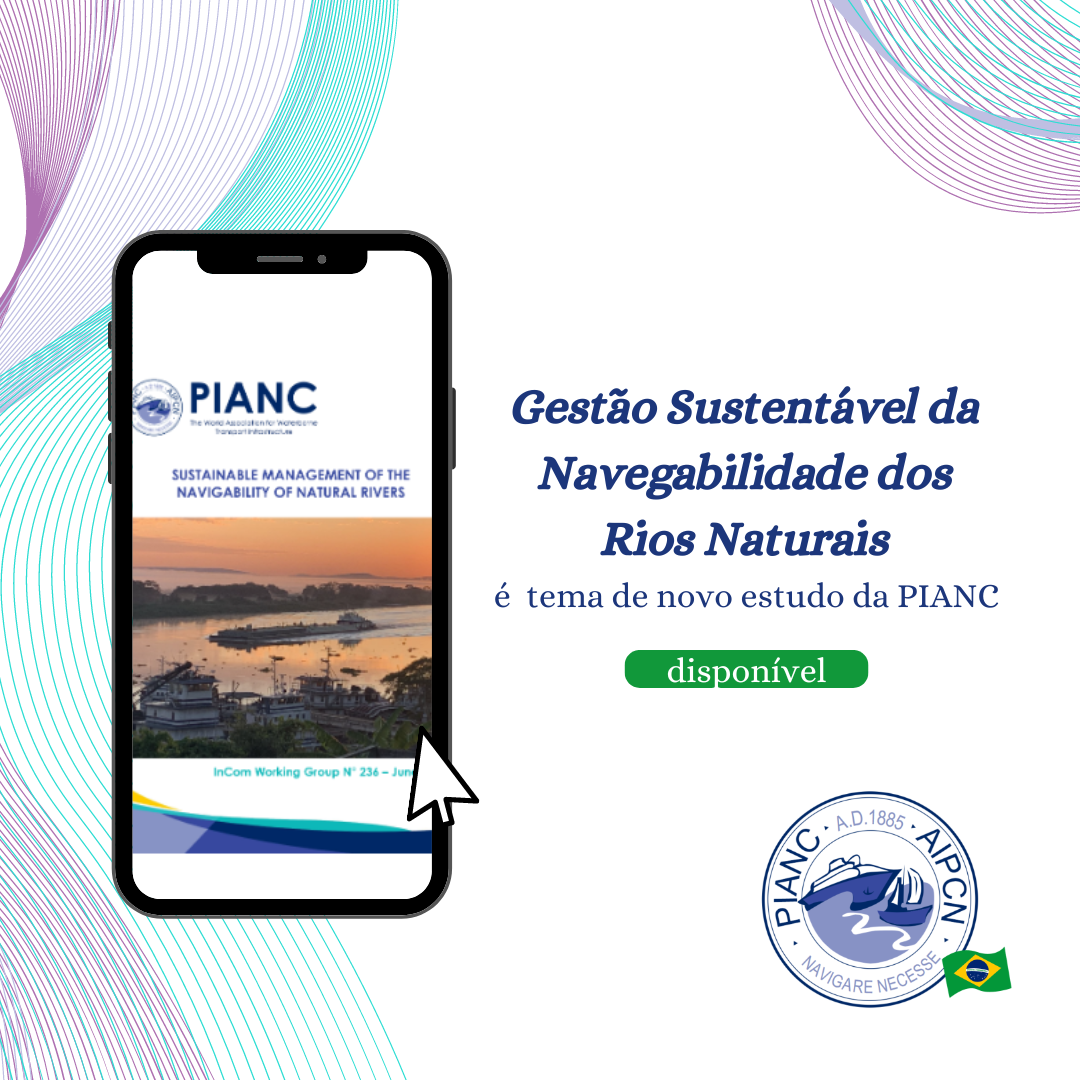
It is available on the website of International PIANC a study on the Sustainable Management of the Navegability of the Natural Rivers. The document provides detailed guidance, including a planning framework for the development of a master plan to improve navigability for natural river systems and integrated and adaptive management strategies that can be applied on a systemic scale.
The study identifies specific interventions and measures analyzed to meet the double objective of maintaining the morphological function of the river and improving the conditions of navigability.
These measures include dynamic graphics, morphological dredging and disposal management, temporary, adaptable and flexible formation structures (TAFTS), river bed shielding and sediment nutrition, rock excavation, meandering cuts and development of marginal arches, traditional river formation structures located and canal closing structures.
The impacts and mitigation strategies associated with some of these measures are analyzed and discussed. Finally, the continuous monitoring, management and operation tools available to improve navigability in a morphologically active river system are presented.
“It is recognized that natural rivers tend to be more active and dynamic in fluvial terms than systems that use traditional methods of navigability improvements, such as heavily regulated rivers or systems with locks and dams. These river systems are unrestricted and not confined, therefore, need new and innovative strategies to monitor river and geomorphic changes in order to inform river managers and navigators,” says the study summary.
PIANC associates have access to complete studies on the website: https://www.pianc.org/publication/sustainable-management-of-the-navigability-of-natural-rivers/